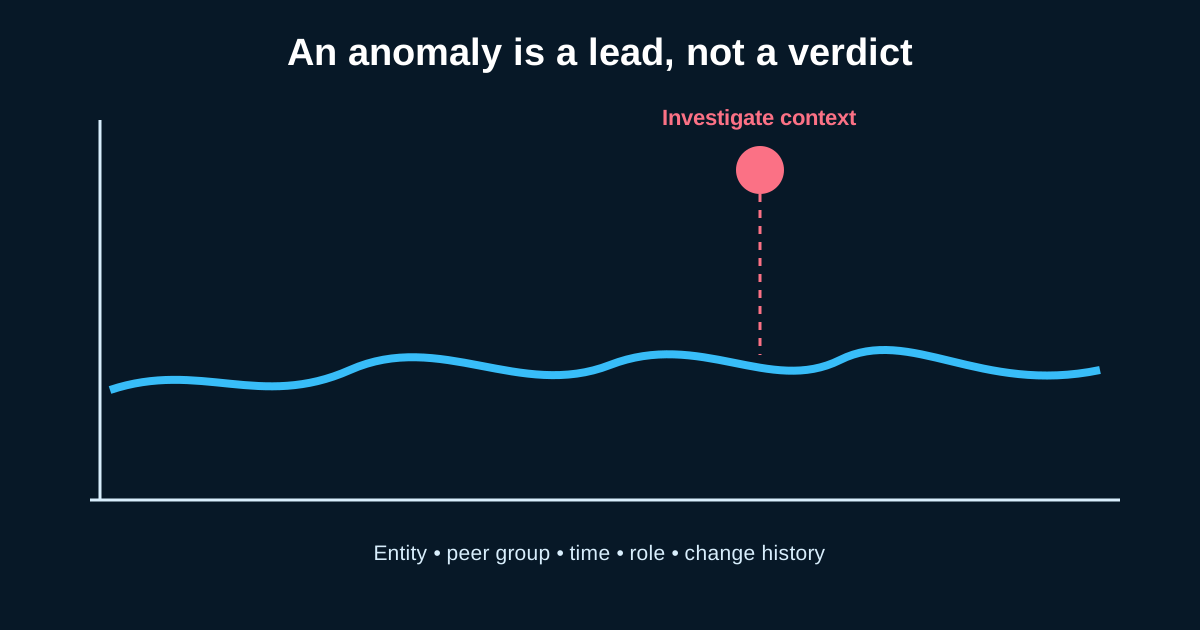
Behavior-Based Hunting: Finding Threats Without a Signature
Use behavioral baselines and contextual anomalies to investigate threats that have no known signature or indicator.
Use behavioral baselines and contextual anomalies to investigate threats that have no known signature or indicator.
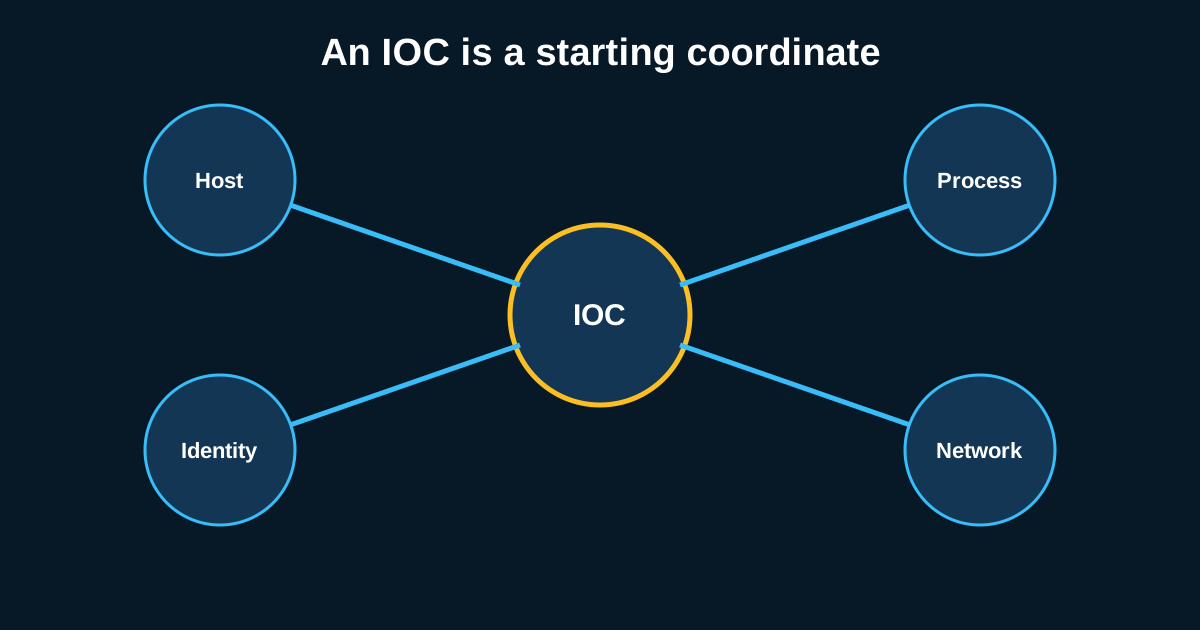
How to use indicators of compromise as a genuine starting point for behavioural investigation, instead of a binary match-or-don't-match check.
A full framework for running threat hunts entirely driven by structured cyber threat intelligence, with minimal untested assumptions.
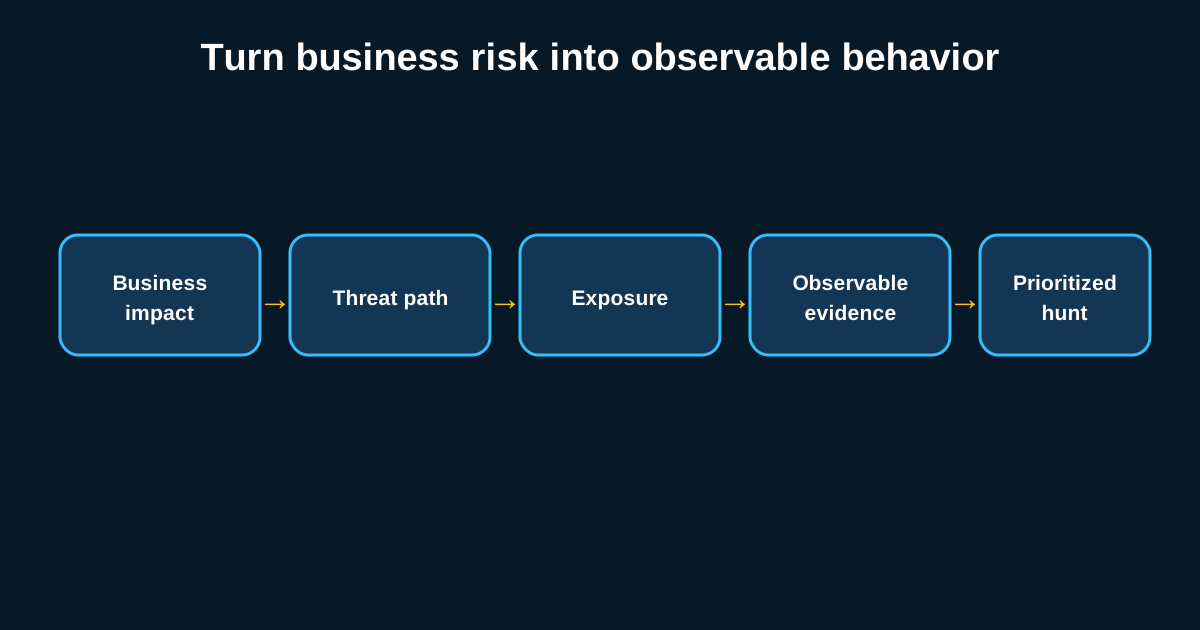
Prioritize threat hunting using business impact, exposure, and threat likelihood instead of whichever report arrived most recently.
Model attacker decisions in your environment and translate those decisions into testable threat-hunting hypotheses.
How to generate high-value threat hunting hypotheses using deep knowledge of your own environment, without relying on external intelligence.
A systematic process for converting threat intelligence reports and feeds into specific, testable threat hunting hypotheses.
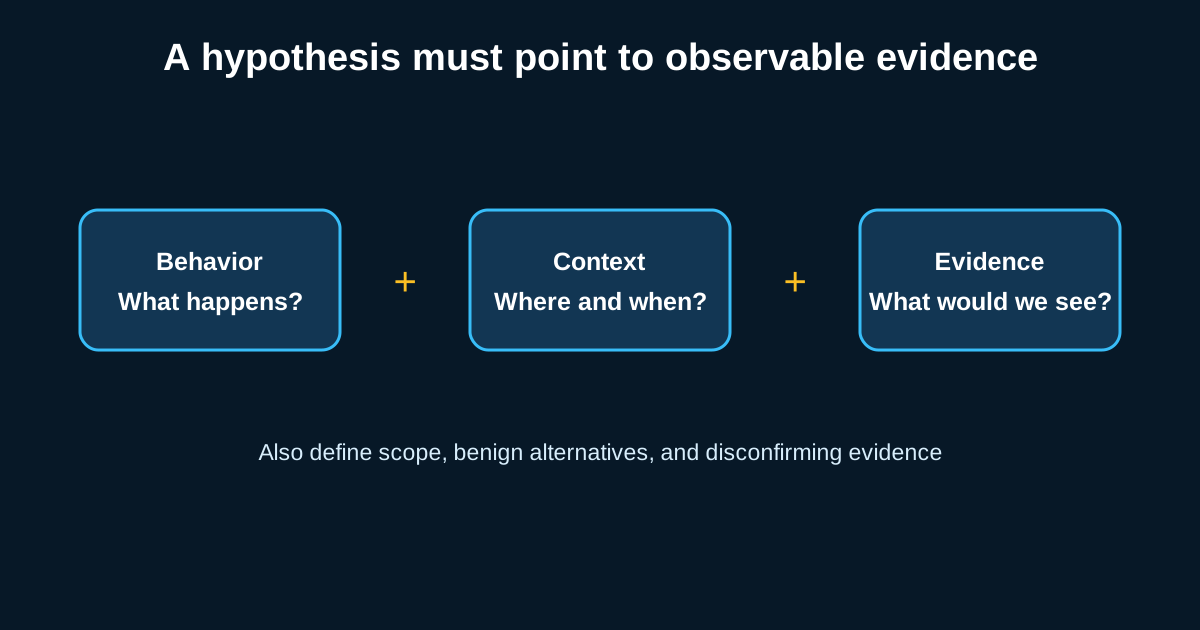
Learn what separates a testable threat-hunting hypothesis from vague suspicion—and why the distinction determines hunt quality.
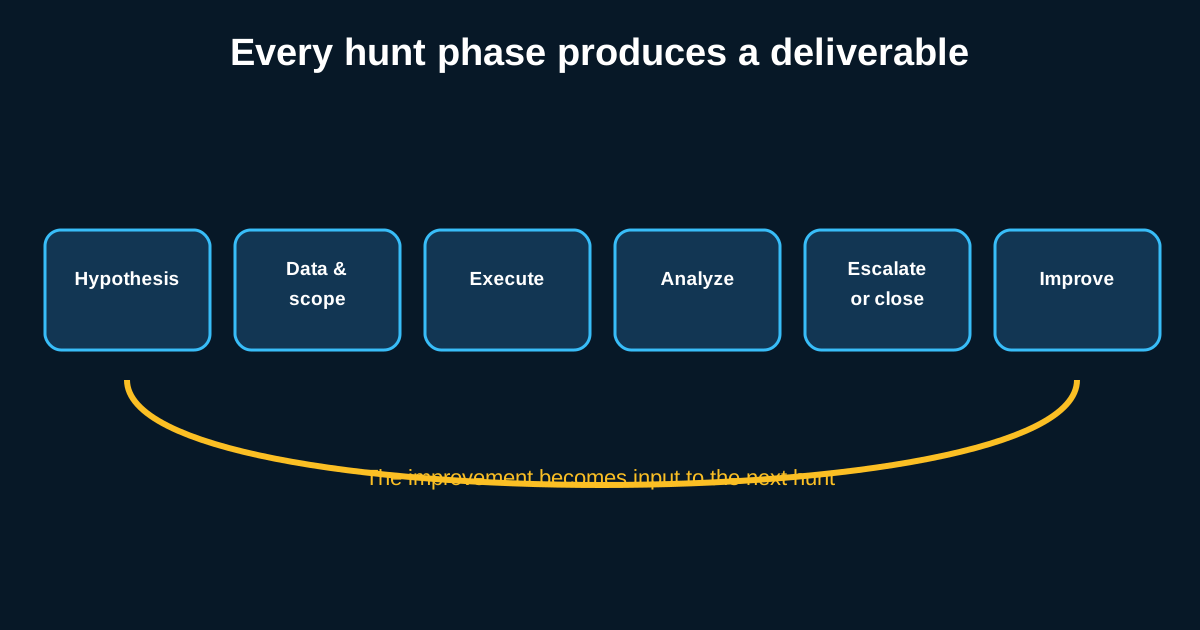
A complete walk-through of the threat hunting lifecycle, phase by phase, with the real deliverable each stage should produce.
A capstone exercise producing a real, professional-grade threat intelligence product that directly drives sector-specific hunt planning.