Threat Hunting Documentation That Actually Gets Used
Documentation standards for threat hunting that turn hunt outputs into something a team can actually act on, six months from now.
Documentation standards for threat hunting that turn hunt outputs into something a team can actually act on, six months from now.
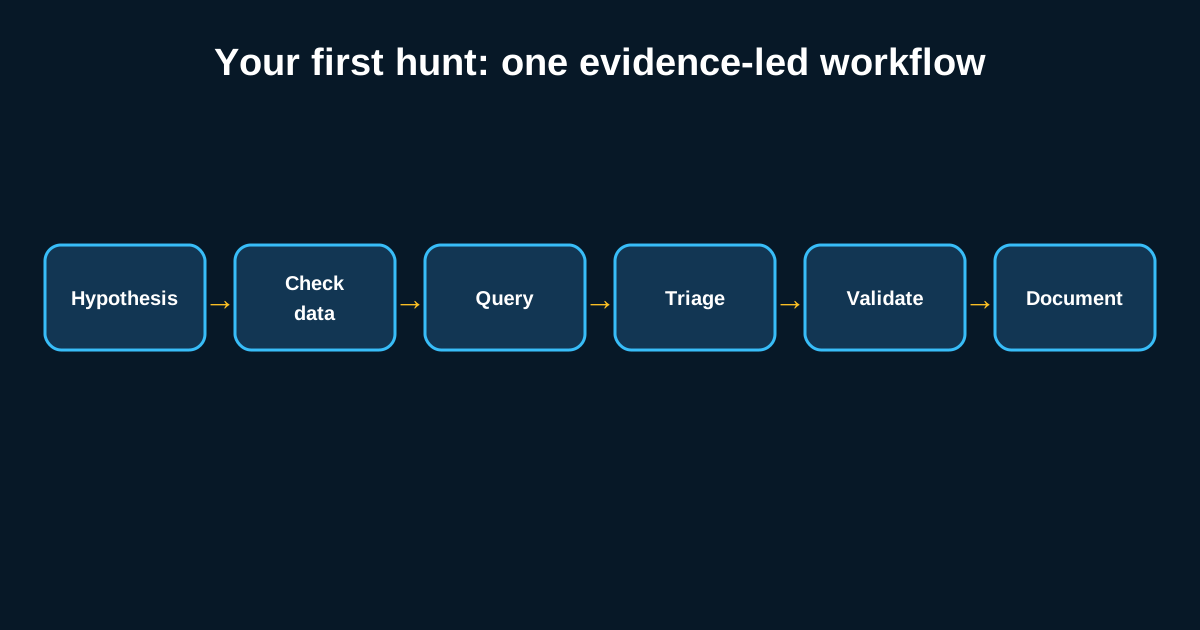
A full beginner walk-through of a real threat hunt, from forming the hypothesis to writing the final report, before you learn each piece separately.
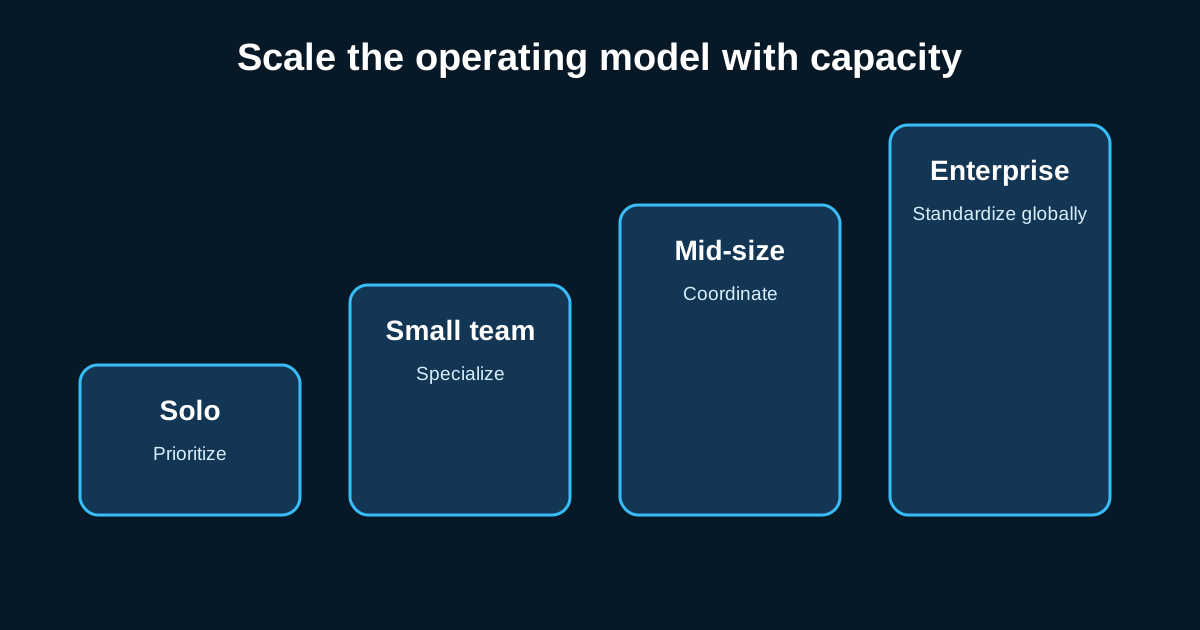
How threat hunting programs scale from a single part-time analyst to a global operation—and what changes at each stage.
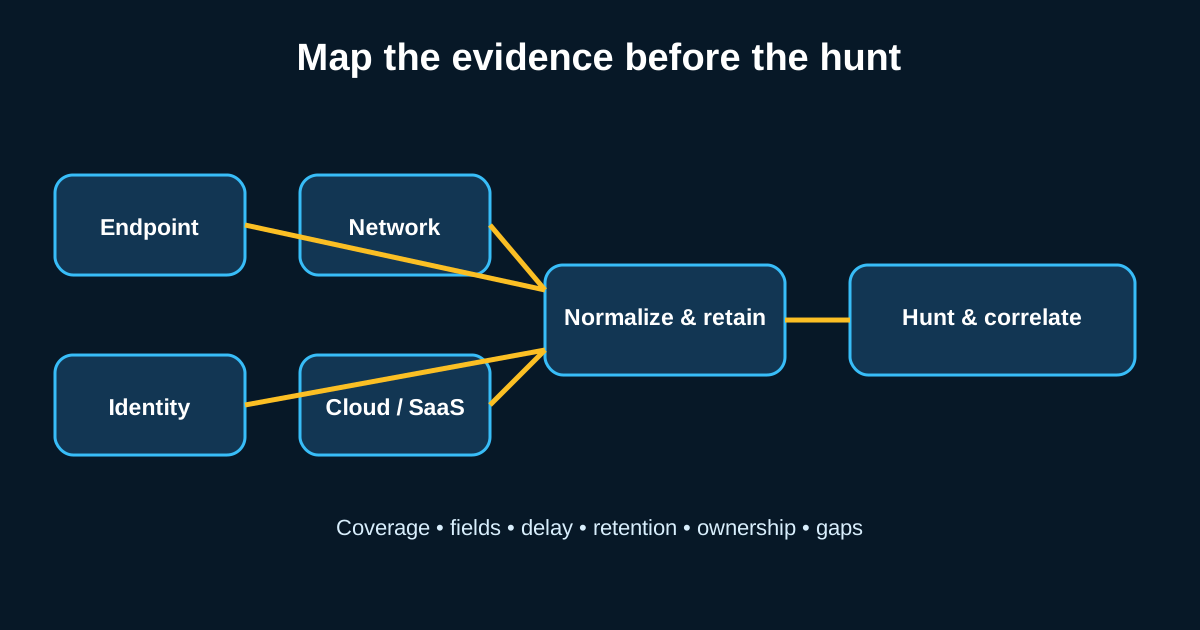
A practical map of every data source available to a threat hunter, what each one actually reveals, and where the blind spots hide.
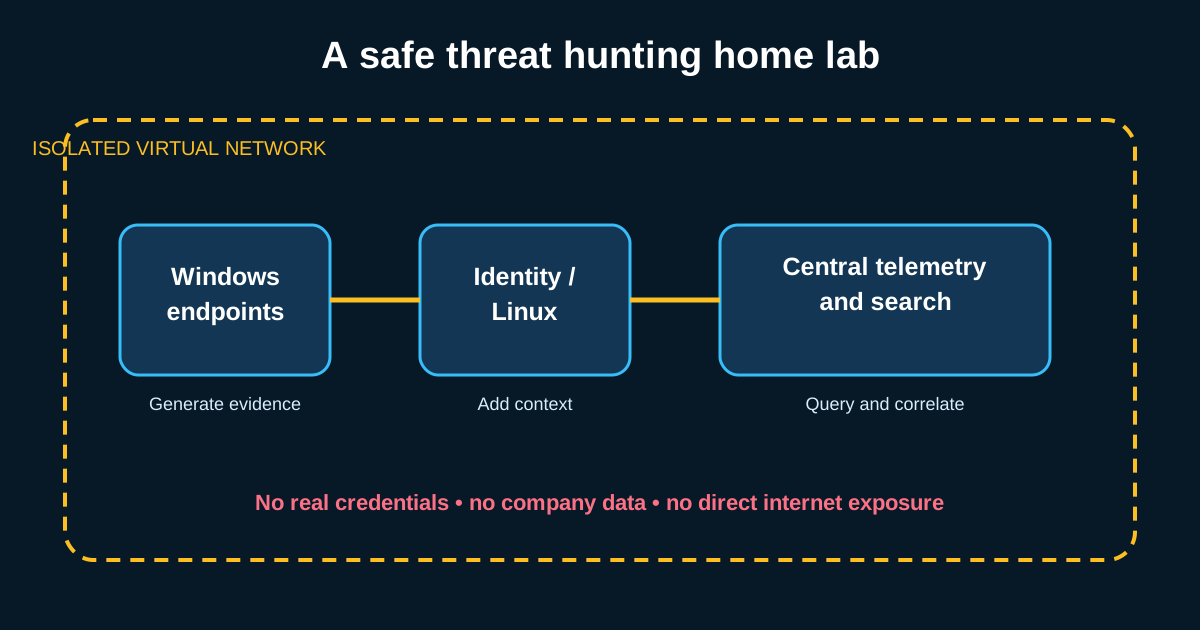
Build an isolated threat-hunting lab that produces useful Windows, identity, and network telemetry for safe practice.
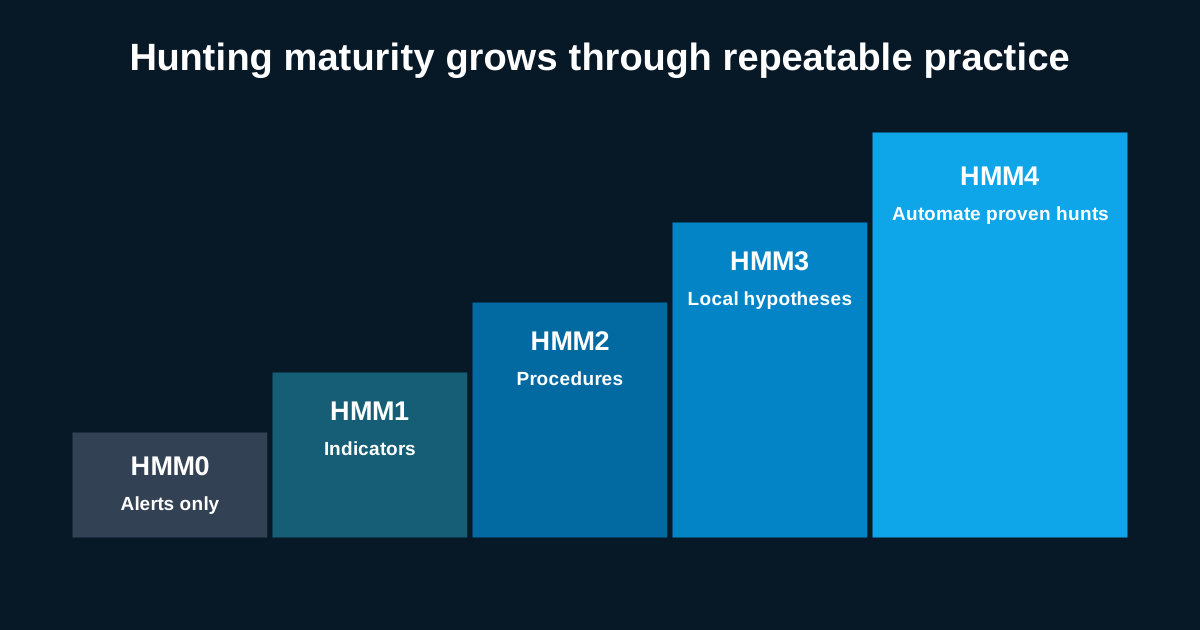
Use the five-level Hunting Maturity Model to assess your program and choose a realistic next improvement.
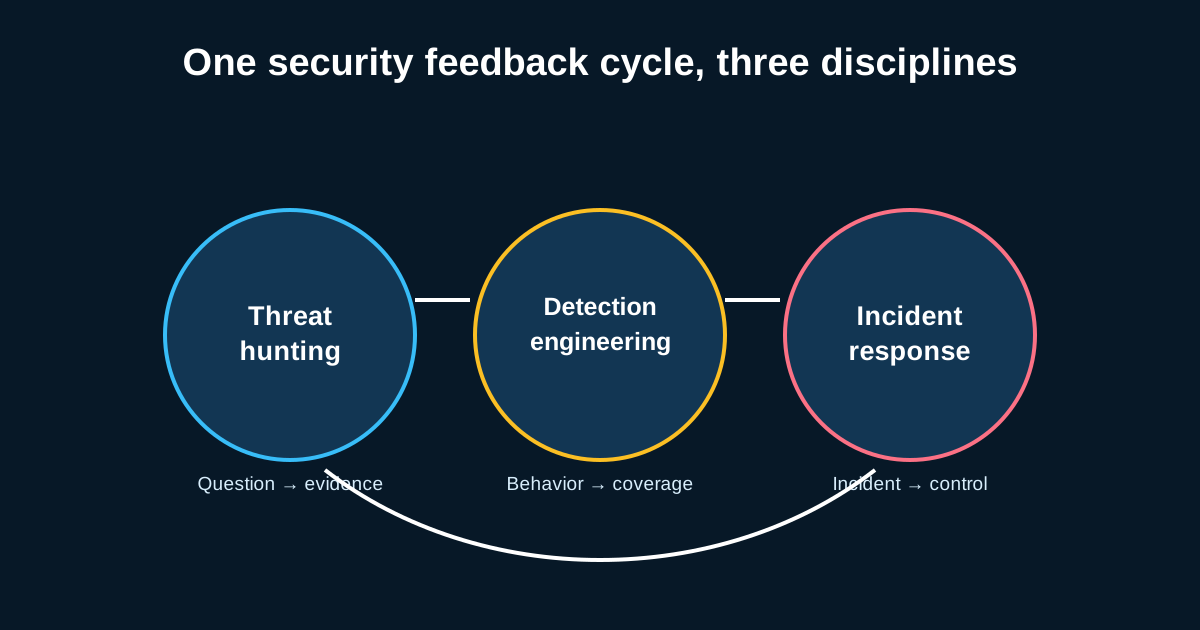
Understand where hunting, detection engineering, and incident response differ—and how findings move between them.
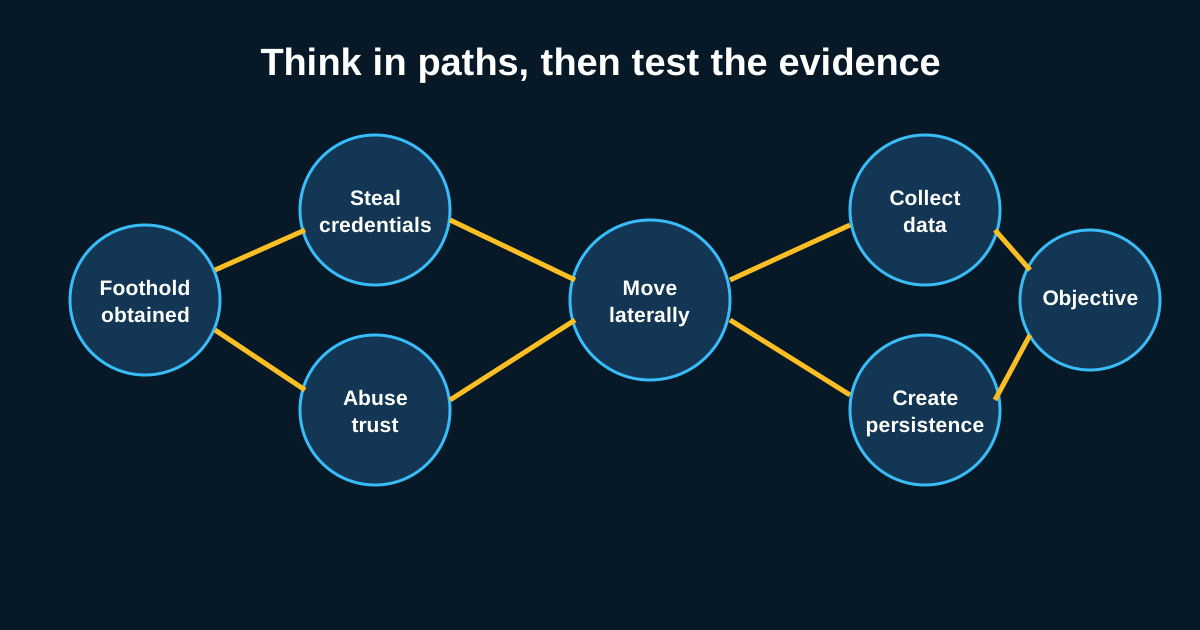
Build the adversarial and evidence-based thinking needed to create useful threat-hunting hypotheses.
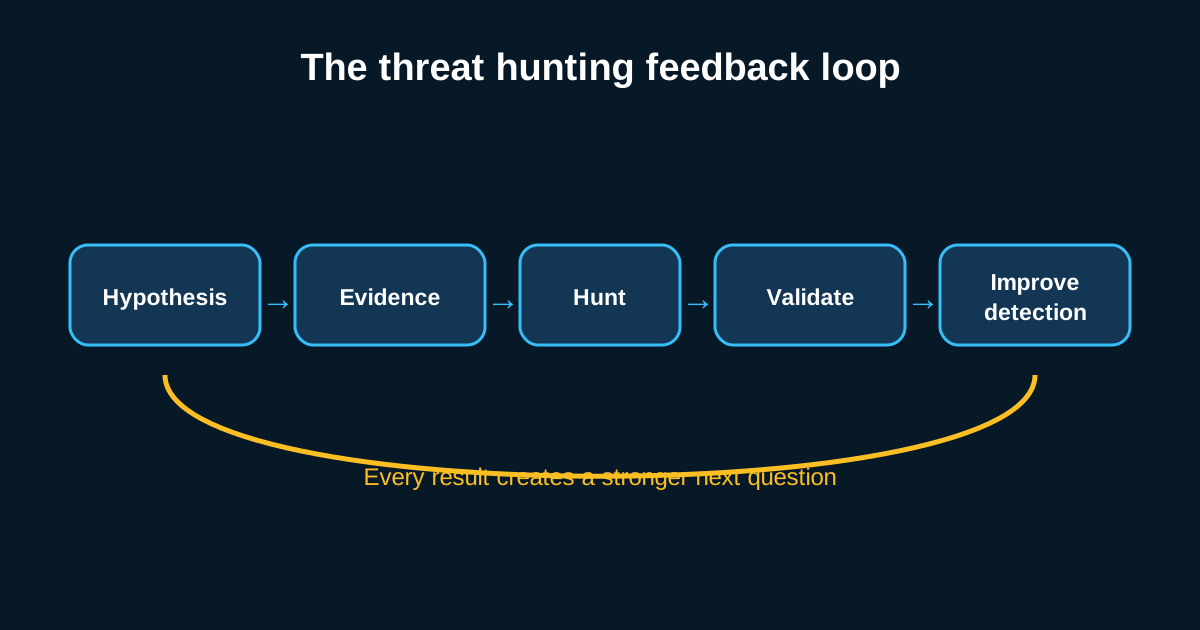
Learn what threat hunting is, how it differs from alert monitoring, and how to run a small hypothesis-driven hunt.